Leadership at the edge: what the room taught us
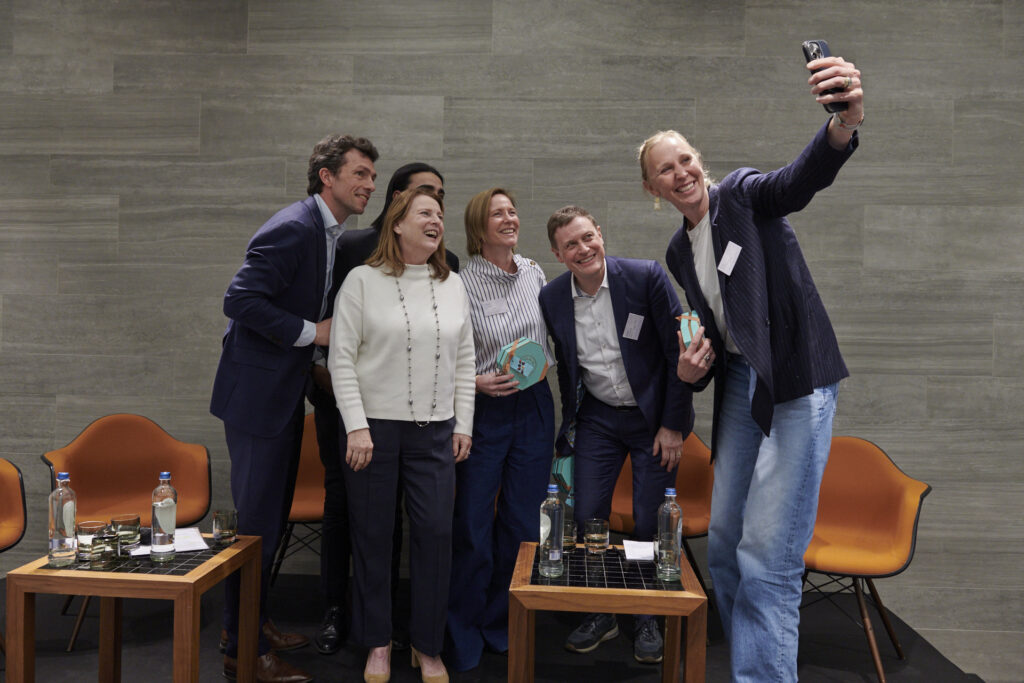
On the 24th of March, TPC Leadership Benelux and Polar Experiences brought together over 100 leaders at De Warande in Brussels for an evening built around one question: what does leadership look like when complexity rises and individual performance alone is no longer enough?
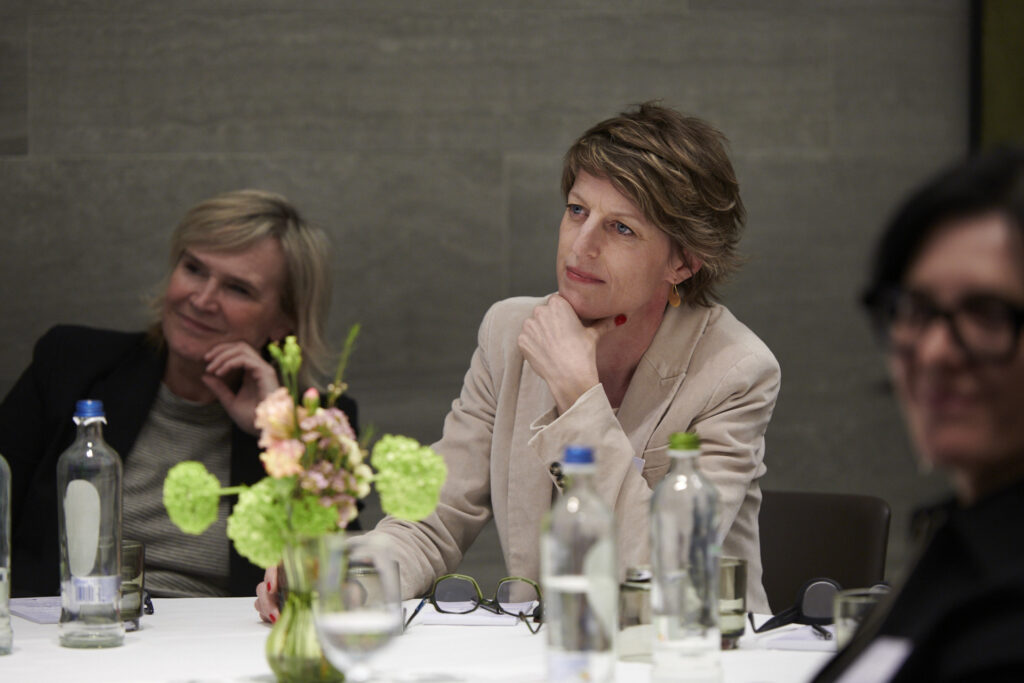
The panel, featuring Karel Van Eetvelt, Ann Wauters, Hassan Al Hilou, and Valerie Dejaeghere, moderated by Marlène de Wouters and co-hosted by Julie Brown and Laurent Jacquet (Managing Partner at TPC Leadership Benelux), drew on four very different worlds: politics and business, elite sport, entrepreneurship, and corporate leadership. What emerged was an honest, energising conversation about the gap between what organisations say they value and how they actually operate.
The individual and the collective are not a paradox
One of the clearest threads running through the evening was the false choice between individual performance and collective strength. The instinct to reward individual achievement, to spotlight the highest performer, to build teams around singular talent is understandable, but it is limiting. The panel was clear: building a strong team means creating conditions where individual drive and shared purpose point in the same direction. When they do, magic happens.
Trust is built in the small moments
The conversation kept returning to trust, which was understood as something concretely built by everyday interactions. Leaders often treat trust as a project, something to address in an offsite, a team-building day or a training programme. What the panel described was different: trust as the cumulative result of how you show up in each conversation, each decision, each moment of pressure. The conclusion: trust does not take grand gestures, it takes consistency — and it shows in the critical moments.
Ownership only works when it gives people purpose
Several panellists pushed back on the idea that ownership can simply be assigned: that telling people they are accountable is not the same as giving them a genuine stake in the outcome. Real ownership, the kind that holds under pressure, emerges when people understand why their contribution matters and feel trusted to act on it. A culture of excessive compliance, where the natural reaction to complexity is more control, quietly kills the conditions for this and makes it so that the best solutions never surface.
Belonging is what makes diversity work
Commitment requires belonging, and people cannot (or simply do not) fully invest in a collective they do not feel genuinely part of. As teams become more diverse in background, generation, culture, and perspective, the question is not just whether different people are in the room, but whether the conditions exist for different kinds of intelligence to actually contribute. That is not a given. It is a leadership capability that becomes more urgent as the complexity of the world increases.
Making people feel seen
Finally, a simple but lasting idea that stuck from the evening: how easy it is to make someone feel small, compared to how much harder and more consequential it is to make someone feel capable, seen, and worth believing in. Leaders who do this consistently, in daily interactions and not only in performance reviews, build something that outlasts any single initiative or strategy.
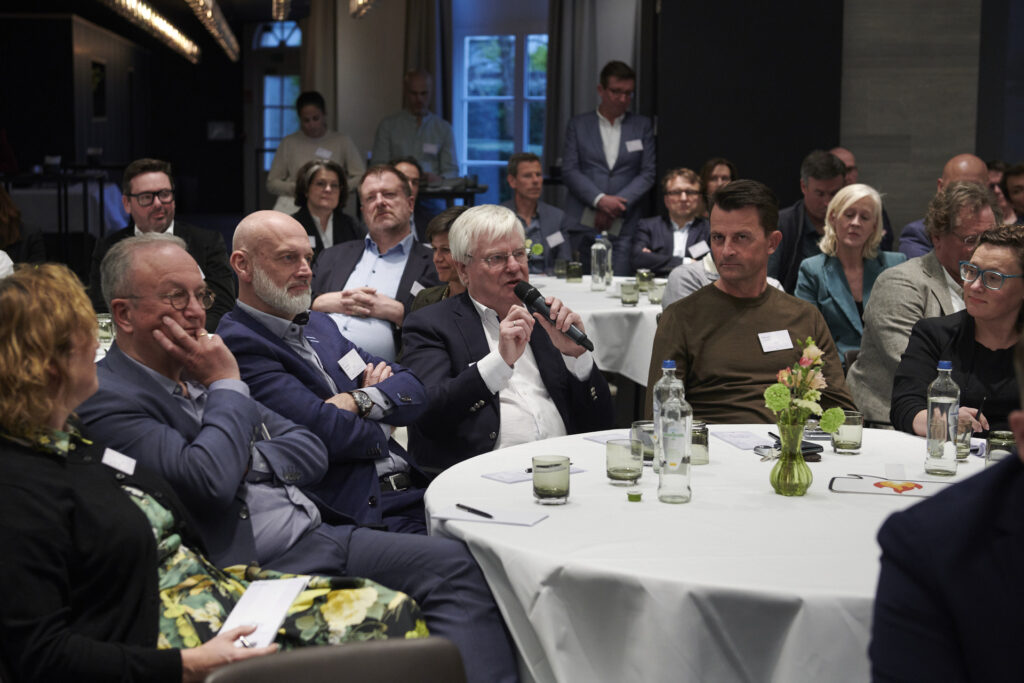
The evening ended with what we set out to create: a genuine exchange between people who shape how teams and organisations perform, in a room that felt safe enough for honesty and energising enough to leave with something new. There were laughs on stage, honest disagreements, and questions from the audience that pushed the panel into new territory. And the energy in the room suggested the conversation had only just started.
We are already thinking about what comes next. If you would like to be one of the first to know when it happens, we’d love to hear from you, please contact us.