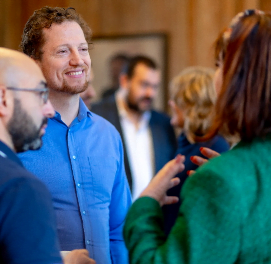
TPC Leadership develops leaders with a heart for leaders AND their organisations. They are engaged and passionate in what they do. They focus on the individual, but will always keep the vision and objectives of the organisation into account.
Janna Kramer, Learning & Talent Development Leader
EY – NETHERLANDS
Use our site switcher to easily navigate between our different offices (in your preferred language where available), or select “Global” for our head office.
The World Health Organisation definition of wellbeing is:
‘a state of mind in which an individual is able to realise his or her own abilities, cope with the normal stresses of life, can work productively and fruitfully, and is able to make a contribution to his or her community.’
In this sense, wellbeing is made up of two key elements: feeling good; and functioning well.
An evidence-based model of Wellbeing – PERMA
The PERMA model is an evidence-based model of well-being developed by Martin Seligman, the psychologist usually credited with being the founder of Positive Psychology. The general goal of positive psychology, including the PERMA model, is to equip each of us to raise the level of our wellbeing and enjoy more of what makes life worth living.
The PERMA model of wellbeing outlines five key measurable and evidence based pillars for flourishing:
Positive emotions
Engagement
Relationships
Meaning
Accomplishment
If we focus on developing these areas, even one area, it can help support greater wellbeing and thriving in our lives. Everyone is different, so each of us will find that each building block of the PERMA model contributes to our wellbeing differently from the next person. There isn’t a map to follow. The factors that make me feel I’m flourishing will not necessarily have the same impact on you. You have to work out what works for you.
How to use this process
The process outlined in this document is structured around the 5 areas of the PERMA model that we know can impact the level of wellbeing that we experience.
For each area I provide a brief overview of the concept, and then invite you to reflect on a series of questions designed to support you to appreciate where you have already experienced that area of wellbeing in the passing year. Then, there is another set of questions intended to help you get intentional about what you would like to focus on and create for your wellbeing in the coming year.
There are many ways of reflecting and intention setting, so the process offered is simply a guide, it really comes down to what works for you. Please feel free to adapt the approach to suit your own style of thinking and learning.
You can work through all the questions if you want to undertake a comprehensive review, or you can just choose 2 or 3 in order to focus on. It’s important that that the process feels good for you, and challenges you to a level where you still feel comfortable and able to think positively.
You can also choose to go through the process in the way that feels best for you. Useful alternatives include:
Creating a dedicated period of time to “retreat” and focus on the questions
Considering one section each day, or over a period of weeks
Writing about or record your responses and then swap and share them with others
Talking the questions through with a colleague or loved one
Discussing the topics with a group in an online or face to face setting
Whatever works best for you is the right thing to do. The important thing is to make sure you do something to reflect on your experience and continue to evolve in your capacity for self-awareness and being intentional.
——————————-
PERMA
P – Positive Emotion
What do Positive Emotions mean in PERMA?
Positive emotions include feeling such as hope, joy, compassion, love, appreciation and gratitude. Seligman makes the distinction that having “positive emotion” is more than “being happy”. He sees happiness as a moment in time, and makes the point that nobody can be happy all of the time. Positive emotions are a prime indicator of wellbeing, and they can be cultivated and developed in order to improve wellbeing. It’s been found that individuals can integrate more positive emotions into their daily lives, and imagine more positive emotions in future life, and that this requires us to focus our thinking towards good feeling thoughts. The more we feel positive emotions, the more it builds our sense of wellbeing.
Looking back and appreciating
When have you experienced positive emotions over the last year?
What occasions or experiences particularly stand out for you?
Where did you feel a sense of joy or hope?
When did things feel good, or even a little bit better?
What sort of things did you do that produced positive feelings and emotions?
What hobbies or activities did you participate in that gave you positive feelings?
What have been the sources of your positive emotions and good feeling thoughts?
Looking forward and setting intentions
What does experiencing more positive emotions mean for you?
What do you know would support you to experience more positive emotions?
What sort of activities or hobbies would give you more positive emotions in the coming year?
How could you make time for doing the things that bring you joy?
What could you do to play more, bring a sense of fun and enjoyment into your day-to-day life?
How could you savour more of good feeling states so that you grow and enjoy your positive feelings?
How could you build in time to regularly focus on what’s going well in your life, things that you are grateful for and appreciative of?
E – Engagement
What does Engagement mean in PERMA?
Seligman describes engagement as “being one with the music.” The concept is aligned with Mihaly Csikszentmihalyi’s concept of being in “flow.” Being in flow means living in the present moment and focusing entirely on the task at hand, or even losing yourself in the task because it’s so engaging and involving. It’s been found that people are more likely to experience a sense of flow when they are engaged in tasks or activities that are aligned with the values that are really important to them. An integral part of developing engagement, feeling in flow, is getting the level of challenge right, so that whatever you are doing supports you to stretch into developing your skills and using your strengths.
Looking back and appreciating
Where have you experienced a deep sense of engagement or flow over the last year?
What did you love doing where you felt suitably challenged and could meet those challenges with your strengths and skills?
When did you feel that you were “one with the music”?
Which events, activities, projects, assignments – really engaged you?
Where did you get that sense of relaxed concentration, where you could really focus and felt free from distractions and interferences?
In what ways have you used your strengths in your day-to-day life?
What sort of things did you do that helped you get absorbed and engaged in activities?
What worked for you in terms of being “present”?
Looking forward and setting intentions
What does having more “engagement” mean for you?
What could you do to experience more of a sense of “engagement” in the coming year?
What are some of the activities that you really love doing, that you could do more often?
What would give you more of a sense of flow?
What particular activities really play to the expression of your strengths?
What routines could you establish that would create the right environment for you to minimise interferences and give you the best chance of getting to a state of flow?
How could you practice living in the moment, and being present, even during daily activities or mundane tasks?
R – Relationships
What do Relationships mean in PERMA?
In Seligman’s model the next key element in generating wellbeing is our Relationships. While relationships are an integral part of all of our social interactions, in PERMA the focus is on positive relationships, where we feel loved, supported and respected by others. The research around the presence of positive relationships in our lives is effectively all good. Positive relationships build wellbeing; and have been found to support mental health, contribute to physical health and protect against cognitive decline. Developing and nurturing relationships with people we care about it increases the amount of intimacy we experience, which further increases our sense of wellbeing. Positive relationships require energy and attention, so it’s important to create time and space to grow and develop them.
Looking back and appreciating
Who do you care about, and who cares about you?
Which relationships are you particularly appreciative of over the last year?
What’s been important for you about those relationships?
What new relationships have you developed or grown over the last year and what do you value about them?
Which long standing relationships have supported you or have been a resource for you over the last year?
When have you felt particularly loved, respected and cared for?
In which relationships did you feel a sense of intimacy where you could really be yourself?
Which relationships are you aware of that really support your sense of wellbeing?
Looking forward and setting intentions
What does experiencing more positive relationships mean for you?
Which specific relationships do you really want to develop and enhance this year, and what could you do to support that?
Which of your current relationships could you make more respectful and caring?
What do you need to do to sustain existing positive relationships?
Where are there opportunities for you to reach out to people you care about that you have not spoken to or connected with in a while?
What actions could you take to develop new relationships?
What do you want to do to celebrate and grow those relationships that give you energy and make you feel good?
M – Meaning
What does Meaning mean in PERMA?
In the PERMA model Seligman describes meaning as having a sense of belonging and/or serving something greater than ourselves. It is an intrinsic human quality to pursue a sense of value and worth, to feel like we have meaning in our lives. People often link meaning to having a purpose in life, and while these two concepts are different, they can go together if having a sense of purpose can help you find meaning in your day-to-day life. Everyone connects with meaning in their lives differently. It can be experienced, for example, through our work, through a social cause, a creative activity, or a spiritual belief. We might experience a sense of meaning through our careers, with valued social groups, or through volunteering or community activities. Having a sense of meaning is guided by our personal values, and people who report having a strong sense of meaning tend to stay connected to wellbeing even when they are under pressure.
Looking back and appreciating
Over the last year, what has connected you to having a sense of meaning?
What experiences have felt particularly meaningful?
What groups, activities or movements have you felt passionate about?
When have you experienced a sense of belonging, or of being part of something that was meaningful for you?
When did you experience yourself being in service to something greater than yourself or going beyond just your own needs?
What’s been important for you about experiences or service or making a contribution in some way?
How has connecting with a sense of meaning enriched your life experience?
What has helped you stay connected to having a sense of meaning in your day-to-day life?
Looking forward and setting intentions
What does experiencing a deeper sense of meaning mean for you?
What might you focus on in the coming year to help you connect more to meaning?
What actions do you want to take that you know will help you to experience more meaning on a regular basis?
What causes or organizations that really matter to you, could you learn more about or get involved with?
Which people support you to feel more connected to meaning, and how could you prioritise spending more time with them?
How could you use your passions to help or serve others?
How can you make links between what you do on a day-to-day basis and how that makes a positive difference in the world?
A – Accomplishments
What does Accomplishments mean in PERMA?
In the PERMA model Accomplishment is also known as achievement, mastery, or developing competence. Seligman describes accomplishment as a result of working toward and reaching goals, mastering activities, and having the self-motivation to finish what you set out to do. This contributes to wellbeing because individuals feel like they are progressing and can look at their lives with a sense of pride and achievement. While accomplishment includes the quality of perseverance to achieve external goals, flourishing and wellbeing is more enhanced through striving toward goals that are intrinsically motivating like growth and connection. It’s important to recognise that our accomplishments are often found in the small things that we achieve. This is especially important to remember when working on big projects or long-term goals, where focusing on small achievements is key.
Looking back and appreciating
Over the last year, what personal achievements and accomplishments stand out for you?
What personal goals have you achieved or made progress towards?
What are some of the small changes and new habits that you have developed?
In what areas of your life have you experienced a sense of productivity or of moving things forward?
What groups and relationships have you been part of that have supported a sense of accomplishment?
When have you seen evidence of your ability to be self-motivated and to finish what you set out to do?
When have you felt proud of yourself for committing to a plan or action?
What have you done that has been deeply satisfying or rewarding?
Looking forward and setting intentions
What does experiencing more of a sense of accomplishment or achievement mean for you?
What are the specific goals that you would like to achieve or work towards this year?
What would be particularly intrinsically satisfying for you to focus on?
What might you focus on in the coming year to help you identify more of your accomplishments and achievements?
What specific habits would you like to consolidate or develop?
How could you monitor your progress regularly and become more sensitive to the feeling of moving things forward?
How could you regularly take time to prioritise celebrating your accomplishments?
Click here to see the full video of Andrew talking this process through.
If you’d like to enquire about how TPC Leadership can help you, contact us here.